

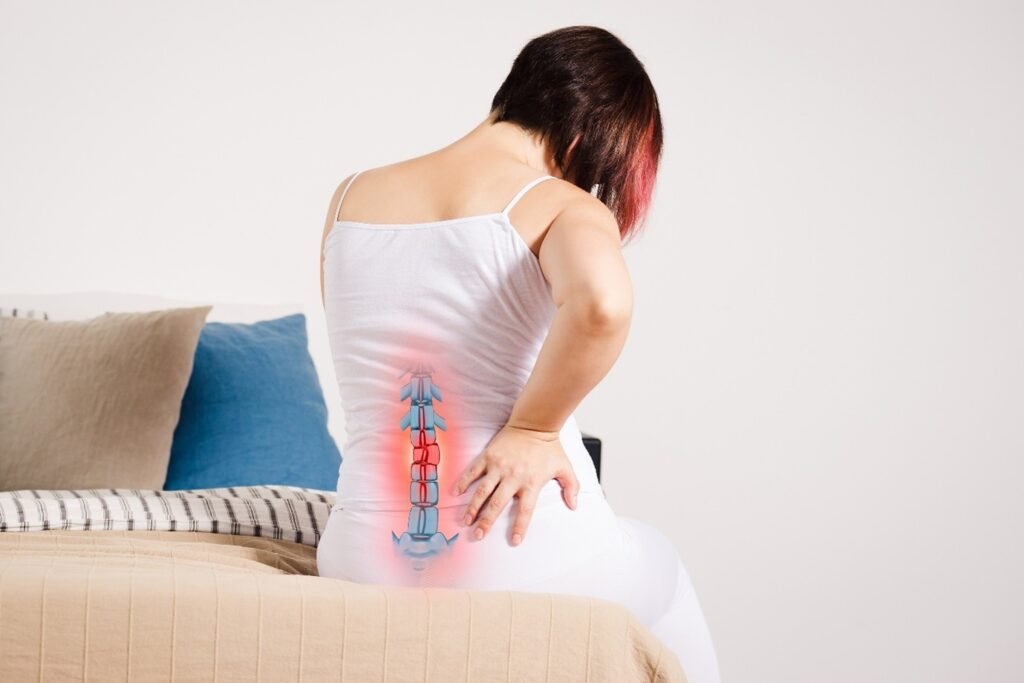
How to Avoid Spine Surgery
How to Avoid Spine Surgery Know More Book Appointment Why Lower Back Pain Occurs In today’s fast-paced lifestyle, many people experience lower back pain due to excessive physical strain, poor posture, long working hours, or stress on the spine. Often, the first episode of back pain is considered a simple muscular problem, and people usually take rest or painkiller medicines for temporary relief. In many cases, the pain reduces within a few days. However, recurring lower back pain should never be ignored. If the pain keeps returning after physical activity, lifting weight, prolonged sitting, or exertion, it may indicate an underlying spinal problem that requires proper evaluation and treatment. How a Pain Management Physician Can Help A pain management physician can examine the patient thoroughly and identify the root cause of the pain. If necessary, investigations such as X-rays or MRI scans may be advised to assess the condition of the spine. One of the most common causes of lower back pain is weakness or degeneration of the lumbar discs and increased stress on the lumbar facet joints. Disc degeneration and facet joint arthropathy are now commonly seen even in younger individuals due to excessive physical activity, improper posture, or continuous strain on the spine. Painkiller medications may provide temporary relief, but they do not strengthen damaged discs or improve weakened facet joints. Physiotherapy helps strengthen the supporting muscles around the spine, but it may not completely stop the progression of disc degeneration or joint arthropathy. If proper treatment is delayed and excessive strain continues, the lumbar disc may bulge or herniate, leading to compression of the nerve roots that travel toward the legs. This can cause severe symptoms such as sciatica, numbness, tingling, or weakness in the legs. At this stage, the condition may progress toward the need for spine surgery. Therefore, early diagnosis and timely intervention are extremely important to avoid surgical treatment. So again, think about “How to avoid spine surgery” Steps to Avoid Spine Surgery Following these important steps can help reduce the chances of requiring spine surgery: 1. Seek Early Medical Evaluation Whenever you experience your first episode of lower back pain, consult a qualified pain management specialist or visit a pain clinic for a detailed evaluation. 2. Follow Professional Medical Advice Always follow the guidance of qualified doctors. Nowadays, social media is filled with health advice from unqualified sources, which may delay proper treatment. Choose an experienced pain physician for accurate diagnosis and treatment planning. 3. Get Investigations Done on Time If your doctor recommends an X-ray or MRI scan, get it done as early as possible. Early diagnosis helps prevent worsening of the condition. 4. Consider Interventional Pain Management If MRI findings show disc degeneration, annular tear, or facet joint arthropathy, interventional pain management procedures may help control the problem before it progresses. 5. Explore Regenerative Treatments Modern non-surgical biological treatments are now available for spine care. These treatments use substances derived from the patient’s own body, such as blood, bone marrow, or fat, to strengthen damaged spinal structures and reduce joint degeneration. These advanced procedures are commonly known as Regenerative Treatments or Biologics. 6. Understand the Role of Steroid Injections Steroid injections in the epidural space are commonly used for severe inflammatory back pain or leg pain. Steroids help reduce inflammation and provide temporary pain relief during acute episodes. However, they may not address the underlying degeneration. In many cases, regenerative treatment may be advised after pain control for long-term benefits. 7. Treat the Problem Early If regenerative treatment and proper spine care are started during the early stages of back pain, the chances of progression toward spine surgery can be significantly reduced. 8. Never Ignore Persistent Back Pain Ignoring chronic or recurring lower back pain can worsen spinal damage over time. Early intervention improves recovery and lowers the possibility of surgery. Common Precautions for Patients with Lower Back Pain Patients suffering from lower back pain should follow these precautions regularly: Avoid lifting heavy weights Avoid sudden forward bending movements Drive slowly on rough or bumpy roads, especially on two-wheelers Prefer front seats while traveling in cars or buses for better spinal support Perform regular lumbar and abdominal muscle strengthening exercises Conclusion Lower back pain is a common problem, but repeated episodes should never be neglected. Early diagnosis, lifestyle modifications, physiotherapy, interventional pain management, and regenerative treatments can help prevent worsening spinal conditions and reduce the need for surgery. Timely medical attention and proper spine care play a major role in maintaining a healthy and pain-free life.
How to Avoid Spine Surgery Read More »